


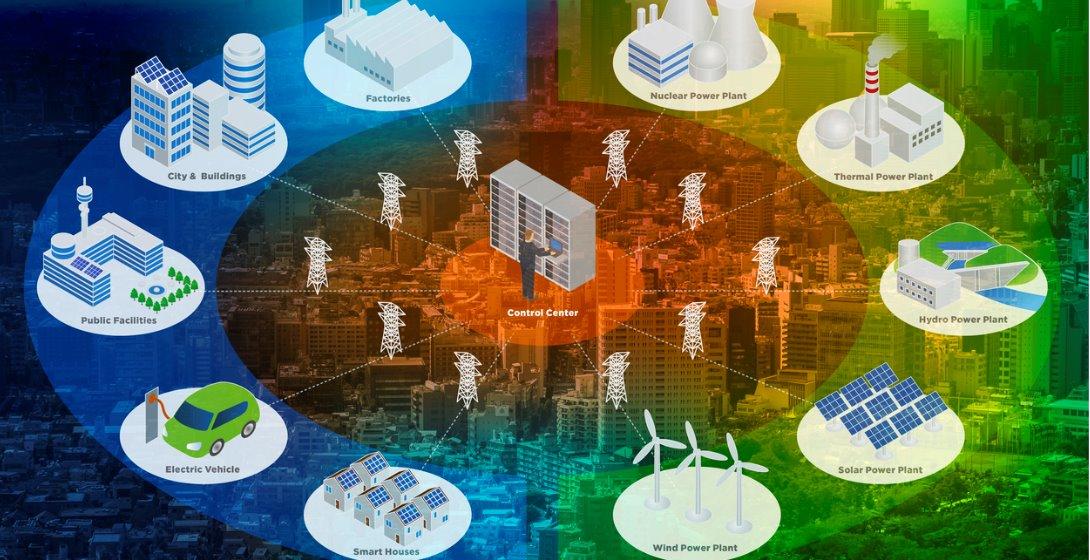
The global energy sector is in the midst of a once-in-a-generation transformation, and the rapid expansion of the smart grid market is at its epicenter. A detailed analysis of the drivers behind the Smart Grid Market Growth reveals a set of powerful and interconnected forces that are compelling utilities and governments worldwide to invest heavily in modernizing their electrical infrastructure. These are not fleeting trends but deep-seated, structural shifts related to climate change, technological advancement, and evolving economic imperatives. From the urgent need to integrate renewable energy to the necessity of building a more resilient network, these catalysts are creating a sustained, long-term demand for smart grid technologies. Understanding these core growth engines is key to appreciating why the smart grid is not just an upgrade but an essential foundation for the 21st-century energy economy.
The single most powerful driver of market growth is the global imperative to decarbonize the energy system in order to combat climate change. Governments around the world have set ambitious targets for increasing the share of renewable energy in their electricity mix. The challenge is that major renewable sources like wind and solar are variable (they don't produce power all the time) and are often distributed across the landscape. The traditional, one-way grid is ill-equipped to handle this variability and bi-directional power flow. A smart grid, with its advanced sensing, two-way communication, and automated control systems, is absolutely essential to manage the integration of these clean energy resources while maintaining the stability and reliability of the power supply. This makes smart grid deployment a critical prerequisite for achieving national and international climate goals.
Another major catalyst is the urgent need to improve grid resilience in the face of growing threats. The increasing frequency and intensity of extreme weather events, from hurricanes and wildfires to heatwaves and ice storms, are placing unprecedented stress on aging grid infrastructure, leading to more frequent and longer-lasting power outages. The Smart Grid Market is Estimated to Grow USD 155.16 Billion By 2035, Reaching at a CAGR of 12.75% During the Forecast Period 2025 - 2035. A significant portion of this growth is driven by investments in resilience. Smart grid technologies, such as distribution automation and remote fault detection, create a "self-healing" grid that can automatically detect outages, isolate the damaged section, and reroute power to minimize the number of affected customers. This dramatically improves restoration times and creates a more robust and reliable energy system capable of withstanding the challenges of a changing climate.
The third key driver is the broader trend of electrification, particularly the rise of electric vehicles (EVs). As millions of EVs hit the road, they will create a massive new source of electricity demand. Unmanaged charging of all these vehicles, especially during peak hours, could overload local distribution networks and destabilize the grid. The smart grid is essential for managing this new load intelligently. Through smart charging programs, utilities can incentivize EV owners to charge their vehicles during off-peak hours when there is surplus power available. In the future, vehicle-to-grid (V2G) technology will even allow EVs to act as a massive, distributed battery, feeding power back into the grid to support it during times of high demand. This intelligent integration of transportation and the energy grid is impossible without a smart grid foundation.
Explore Our Latest Trending Reports:

 English
 Arabic
 French
 Spanish
 Portuguese
 Turkish
 Dutch
Dutch
 Italiano
 Russian
 Romaian
 Portuguese (Brazil)
 Tiếng Việt